
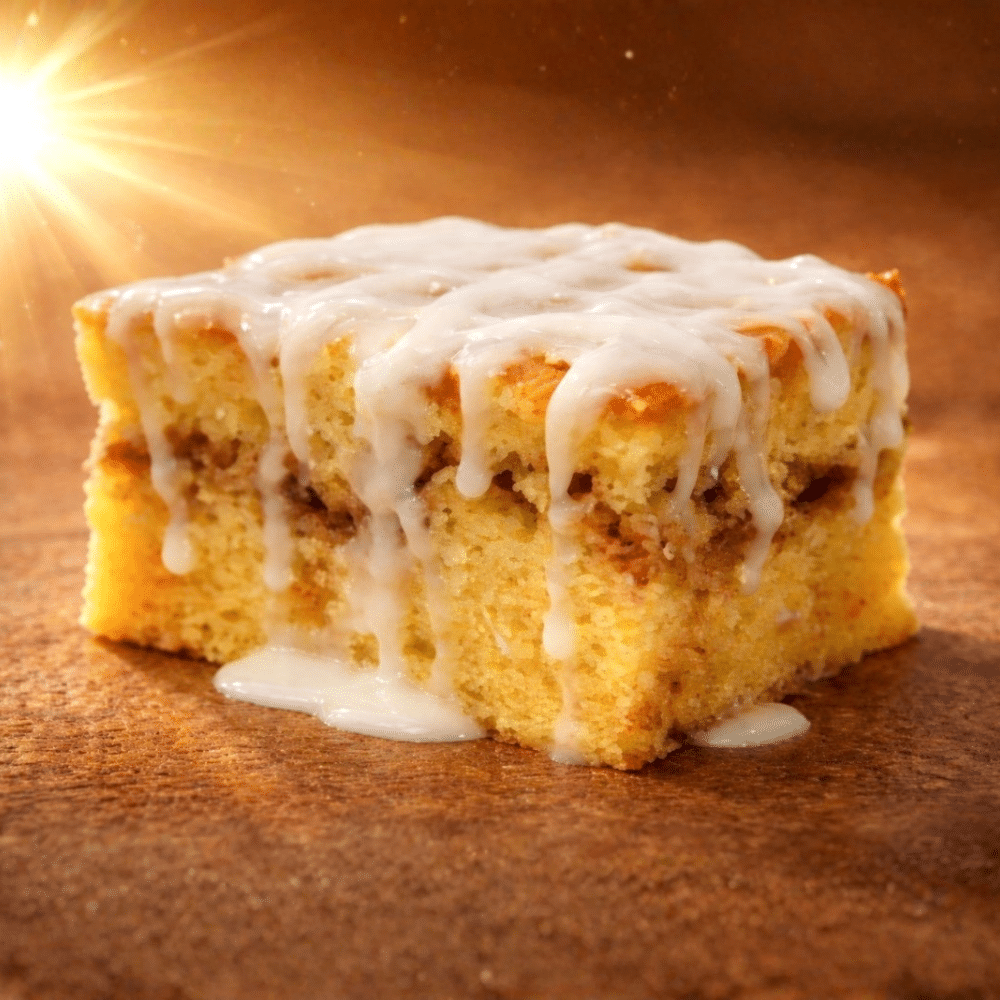
Honey Bun Cake Factory in Bryans Road, Maryland, is a family-owned bakery founded in 2012 by Anthony and Tisha McFarland. Built on a North Carolina family recipe, it offers handcrafted honey bun cakes in over 90 rotating flavors, finished with a signature honey glaze and baked fresh daily—delivering a quality that no packaged snack or standard bakery can match.
Some desserts are just food. Others feel like a memory you didn't know you had.
That's exactly what happened the first time Anthony and Tisha McFarland baked their family's honey bun cake recipe for someone outside the family. The reaction wasn't polite applause—it was silence, then the sound of a fork going back for another bite. That moment planted the seed for what would become Honey Bun Cake Factory, a family-owned bakery now rooted in Bryans Road, Maryland, and recognized far beyond the state line.
Founded in 2012, Honey Bun Cake Factory was built on a North Carolina family recipe and a simple belief: that dessert should taste like it was made with love, because it was. Anthony and Tisha didn't set out to build a bakery empire. They set out to share something real—a cake that carries the warmth of southern hospitality in every slice.
Bryans Road has become the home of something special. Locals line up for the weekly flavor drops. Visitors make the trip specifically for the cake. And dessert lovers across the country have come to know the name Honey Bun Cake Factory as the original destination for premium honey bun cakes.
This post covers everything you need to know—what honey buns are, where they came from, what makes them so irresistible, what loyal customers love about Honey Bun Cake Factory, when to serve it, and how to get your hands on a slice (or a whole cake) from the factory itself.
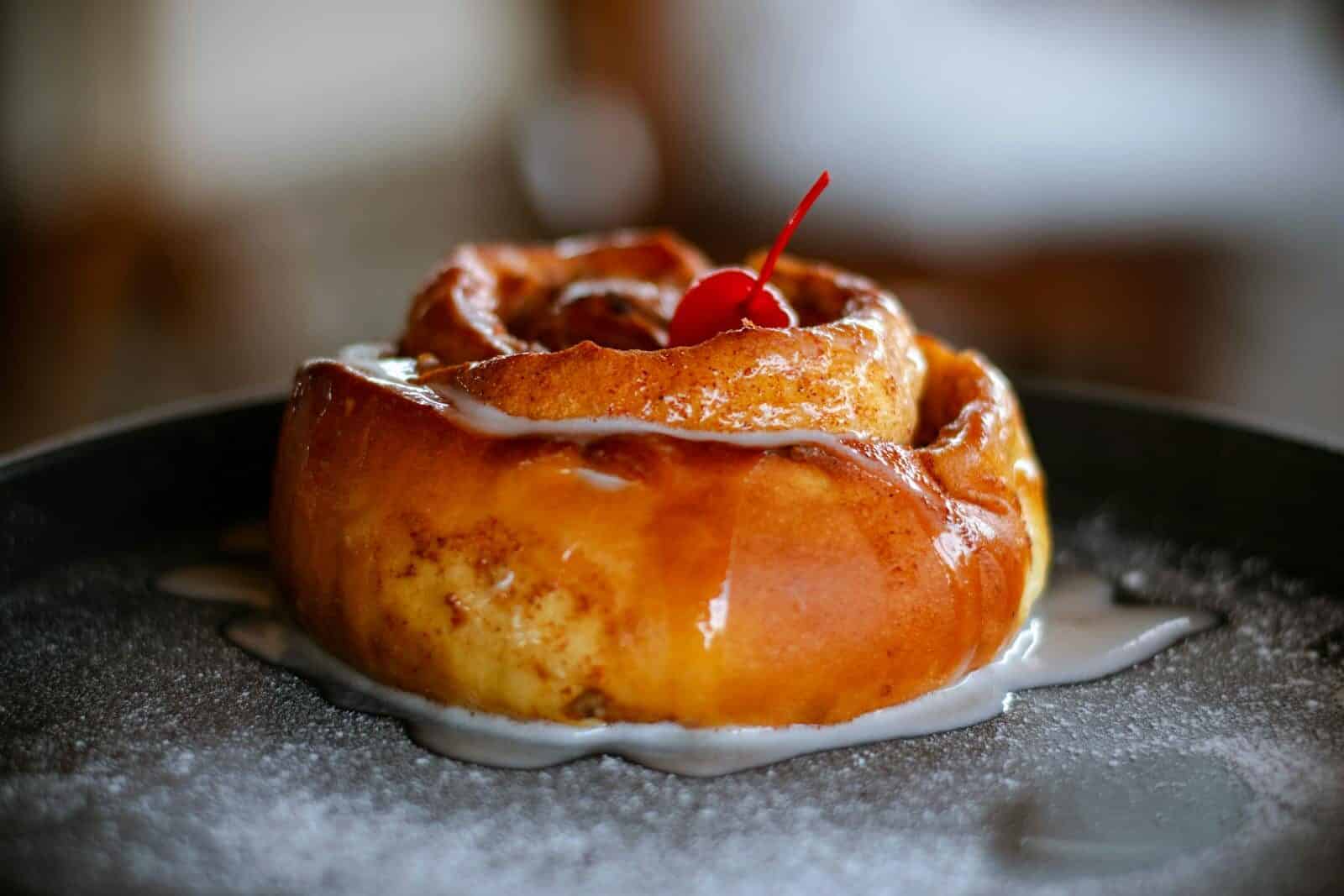
Photo by César O'neill on Pexels
The Story Behind Honey Buns: From Greensboro to Your Table
How Honey Buns Came to Be
Honey buns didn't appear out of nowhere. They evolved from the classic cinnamon roll—someone, at some point, decided to add honey to the mix, and the result was distinct enough to become its own pastry category. That origin matters because it explains both the familiar warmth of a honey bun and the qualities that set it apart.
The first commercial honey bun is credited to Howard Griffin, who invented it in Greensboro, North Carolina, in 1954. Griffin's creation—a soft, fried, spiral-shaped pastry flavored with honey and cinnamon—quickly caught on. By the late 1950s and through the 1960s, honey buns had become a staple across the Southern United States, spreading through convenience stores, diners, and bakeries as a beloved everyday treat. The Griffin Pie Company, which brought that original honey bun to market, was eventually acquired by Flowers Foods in 1983, helping to cement the honey bun's place in American snack culture.
What Exactly Is a Honey Bun?
At its core, a honey bun is a soft pastry made from dough flavored with sugar and cinnamon, typically finished with a sweet honey-infused glaze. The classic shape is spiral—similar to a cinnamon roll—though the texture and preparation method vary significantly depending on whether you're eating a commercially packaged Little Debbie favorite or a fresh bakery-style pastry.
True commercial honey buns are deep-fried rather than baked. That frying process gives them their characteristic slightly crisp exterior, golden color, and rich, indulgent quality. Packaged honey buns—the kind you find at convenience stores and gas stations—are typically made with a dense, cake-like yeast dough that holds up well to frying and has a long shelf life. They range in size from small single-serving packs to larger jumbo versions, making them a flexible and affordable snack option.
Bakery-style honey buns take a different approach. These are usually made from a lighter, fluffier yeasted dough and can be either baked or fried, depending on the recipe. The result is a softer, more delicate pastry that leans closer to a fresh dinner roll in texture. Some versions are filled with jelly or cream before baking, adding another layer of flavor and richness. Toppings vary too—while the classic honey-infused glaze remains the most popular finish, honey buns can also be dressed with a delicious pastry swirl with white icing or chocolate icing, depending on the bakery and the occasion.
Honey buns are best served warm. Heat brings out the cinnamon and honey notes, softens the dough, and makes the glaze just slightly sticky in the way that makes each bite feel like a small reward.
The Two Worlds of Honey Buns: Packaged vs. Fresh Bakery-Style
Honey buns fall into two broad categories, and understanding the difference helps explain why Honey Bun Cake Factory occupies such a distinct place in the landscape.
Commercially packaged honey buns are mass-produced, shelf-stable snacks. They're convenient, nostalgic, and deeply tied to American road trip and convenience store culture. Over time, they've developed a cultural footprint that extends well beyond the snack aisle—honey buns became a notable commodity in U.S. prison commissaries, where they were used as currency, traded for goods and favors, and served as a rare source of comfort in an environment with few other indulgences. That cultural status speaks to the emotional weight a simple pastry can carry.
Fresh bakery-style honey buns are something different entirely. Made from scratch with real ingredients, baked (or fried) to order, and meant to be eaten the same day, they offer a level of flavor and texture that no packaged product can replicate. Honey Bun Cake Factory sits firmly in this category—and then goes further, transforming the honey bun concept into a full-scale premium cake experience.
Making Honey Buns at Home
For those who want to try their hand at homemade honey buns, the process is straightforward but requires patience. The dough typically calls for 1 cup of warm milk, which creates an active dry yeast and gives the buns their soft, tender crumb. After mixing, the dough needs approximately 2 hours of rising time to develop the right texture and flavor. Once risen, the dough is rolled out, flavored with cinnamon and sugar, and cut into 1-inch thick buns before baking.
Homemade honey buns are baked at 350°F for 11 to 13 minutes—just long enough to set the dough and develop a light golden color without drying them out. Once out of the oven, they're glazed with a milk mixture of powdered sugar and honey while still warm, stored in a warm place, allowing the glaze to soak slightly into the top and create that signature sticky-sweet finish.
The result is a lighter, fluffier pastry than the deep-fried commercial version—closer to a bakery-style honey bun than a packaged snack, and best eaten fresh from the oven.
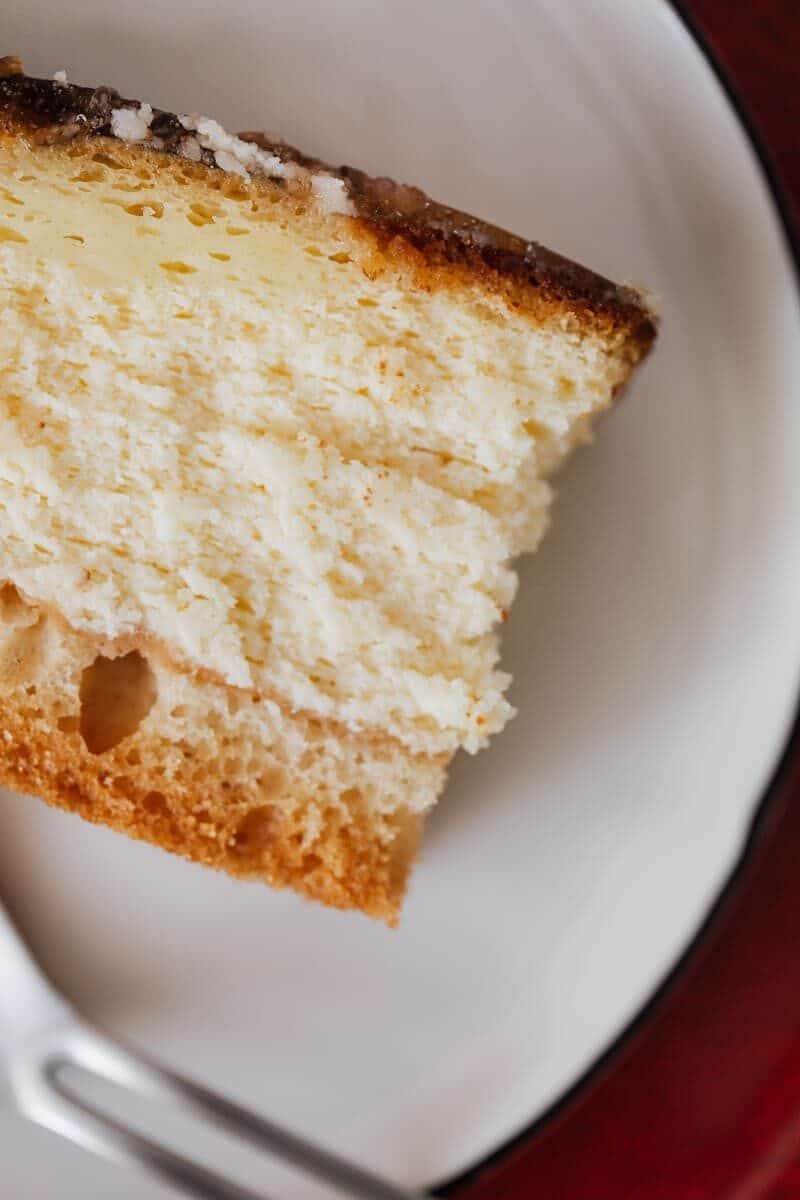
Photo by www.kaboompics.com on Pexels
Why Honey Bun Cake Deserves a Spot on Your Dessert List
More Than Just a Sweet and Flavorful Snack
Most people's first encounter with a honey bun happens at a gas station or a convenience store—that iconic glazed pastry in clear plastic wrap. It's nostalgic. It's satisfying. But Honey Bun Cake Factory takes that familiar flavor and transforms it into something entirely different: a rich, made-from-scratch dessert that delivers comfort and complexity in every bite.
The texture is moist and dense without being heavy. The cinnamon sweetness feels homemade rather than manufactured. And unlike a mass-produced snack, every slice carries the unmistakable quality of a cake baked with care and real ingredients. According to the food science resource Serious Eats, the difference between commercial and homemade baked goods often comes down to fat quality and mixing technique—two areas where scratch baking consistently wins.
The Secret Is in the Tasty Honey Glaze
The glaze is where the magic happens. Honey Bun Cake Factory's signature honey glaze does something that most cake toppings don't: it enhances the flavor without dominating it. The balance of cinnamon, sugar, butter, and honey creates a finish that's sweet, slightly floral, and deeply satisfying.
A well-made honey glaze does more than add sweetness. It seals in moisture, adds a subtle sheen, and gives each slice that golden, slightly sticky finish that makes you want to lick the fork. The National Honey Board notes that honey's natural sugars—fructose and glucose—caramelize differently than refined sugar, producing a more complex flavor profile that pairs particularly well with warm spice notes like cinnamon.
Unlike the white or chocolate icing sometimes found on packaged honey buns, a honey-forward glaze keeps the focus on the natural flavors of the pastry itself. It finishes rather than covers.
Handcrafted Southern Baking Tradition
Every recipe at Honey Bun Cake Factory traces back to a family tradition rooted in North Carolina—the same state where Howard Griffin first invented the commercial honey bun in 1954. That heritage matters. Southern baking has long been defined by generosity—generous portions, generous flavor, and the kind of care that comes from baking for people you love rather than for a production quota.
Baking from scratch creates a superior texture that pre-mixed or commercially processed cakes simply can't replicate. The crumb is finer. The moisture content holds better over time. And the flavor develops in layers rather than hitting all at once. The Southern Foodways Alliance, which documents culinary traditions across the American South, recognizes scratch baking as a cornerstone of southern food culture.
Not Your Typical Cinnamon Roll
Honey bun cake and cinnamon rolls share DNA. Both evolved from the same tradition of sweet, spiced, rolled dough—and as history shows, honey buns essentially began as cinnamon rolls with honey added to the recipe. But the comparison ends there.
Cinnamon rolls are all about the roll—the spiraled layers, the pull-apart texture, the cream cheese frosting. Honey bun cake is a different experience altogether. The cinnamon is baked into the body of the cake rather than layered through it, creating a more unified flavor from top to bottom.
The honey glaze adds a depth that cream cheese frosting doesn't offer. The result is richer, more dessert-forward, and more suited to a celebration than a breakfast plate. King Arthur Baking's guide to classic cinnamon rolls highlights how the laminating process creates those distinct layers—a technique that honey bun cake deliberately moves away from to achieve its own unique texture.
What Dessert Lovers Enjoy About Honey Bun Cake
A Soft Texture and Golden Brown Finish
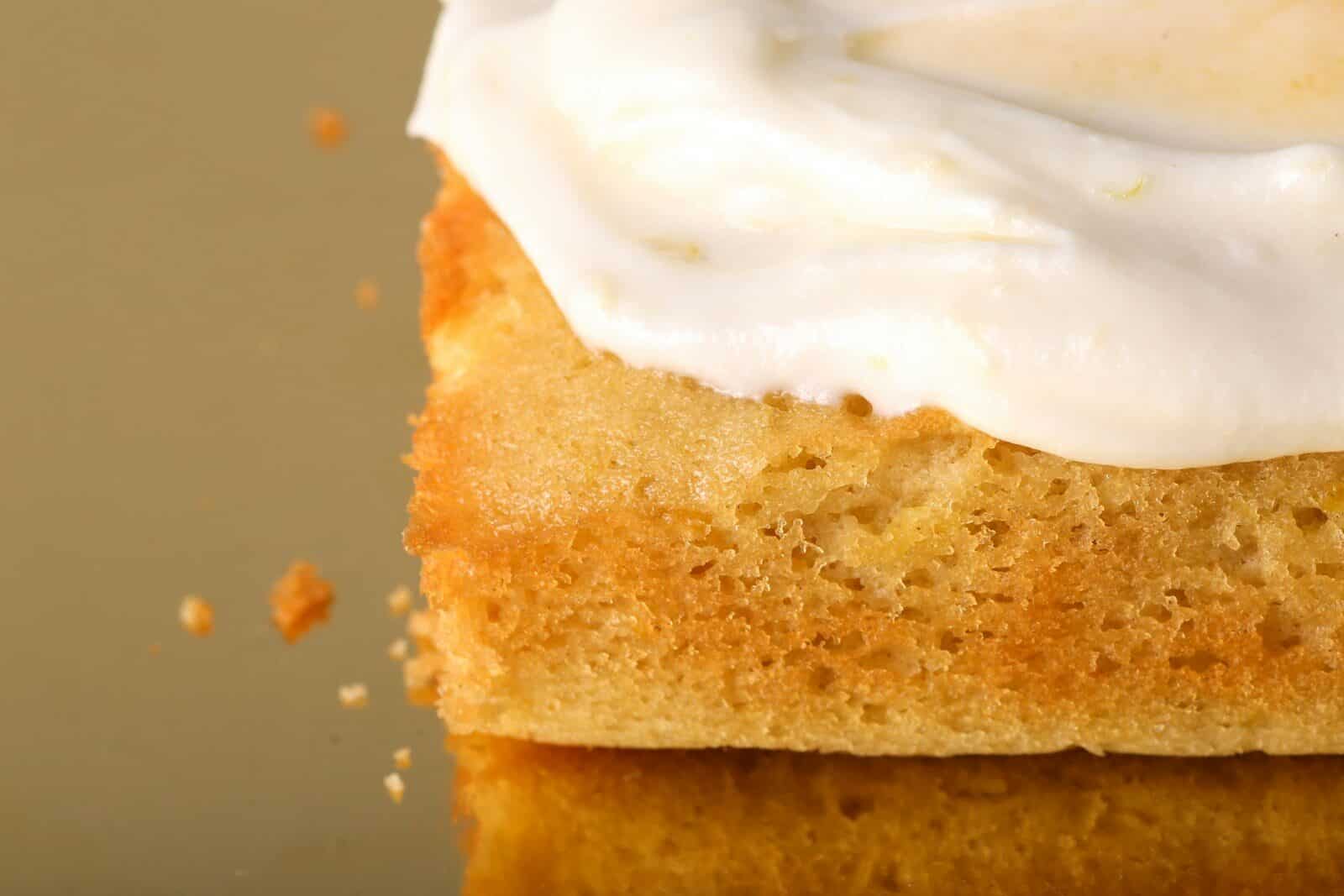
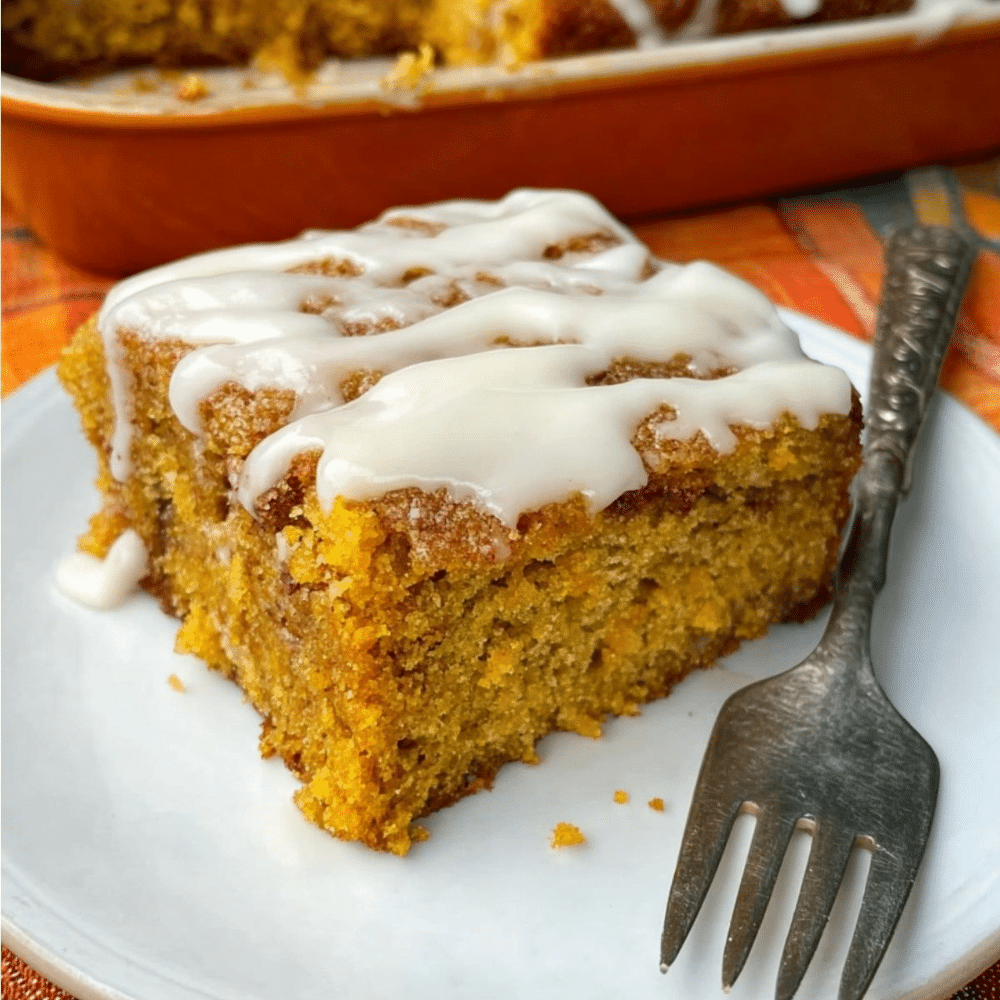
The first thing most customers notice about a Honey Bun Cake Factory cake is how it looks fresh from the oven. That golden brown top isn't just visual—it signals the Maillard reaction at work, the chemical process that creates flavor as sugars and proteins brown under heat. Underneath that crust, the crumb is soft, springy, and moist in a way that store-bought cakes rarely achieve.
Texture is one of the primary factors that determines whether a dessert is merely good or genuinely memorable. The crumb of a honey bun cake is tighter than a standard yellow cake but looser than a pound cake—a middle ground that holds up beautifully under the weight of the glaze without losing its tenderness. And like all great honey bun-inspired pastries, it reaches its peak when served warm.
A Light Glaze That Makes Every Bite Memorable
Not every honey bun cake needs a thick frosting. Honey Bun Cake Factory's light glaze does something more refined: it soaks slightly into the top of the cake, becoming part of the experience rather than a separate layer you scrape off. The sweetness is present but controlled. The honey notes come through clearly. And the finish on each bite is clean rather than cloying.
That restraint is part of what keeps customers coming back. A dessert that overwhelms the palate only works once. One that leaves you wanting just one more bite? That builds loyalty.
Endless Flavor Possibilities
With over 90 rotating flavors, Honey Bun Cake Factory has built a menu that functions more like a weekly event than a static list. Crowd favorites include Classic Honey Bun, Strawberry Lemonade, Almond, Red Velvet Chocolate Pecan, Chocolate, and Sweet Potato. Seasonal and limited-edition offerings appear regularly, driven by both ingredient availability and customer enthusiasm.
This rotation model keeps dessert enthusiasts engaged in a way that a fixed menu never could. Regular customers follow the bakery's social media pages on Facebook, Instagram, and TikTok specifically to catch the weekly flavor announcements—and they make visits based on what's been dropped. Every week presents a reason to come back.
A Dessert That Pairs Perfectly with Coffee
Honey bun cake is equally at home at a breakfast table as it is closing out a dinner party. The cinnamon and honey notes in the cake complement coffee in the same way that a good coffee cake does—with enough sweetness to contrast the bitterness and enough spice to hold its own alongside a strong roast.
Specialty coffee educators at the Specialty Coffee Association point out that cinnamon-forward foods pair particularly well with medium-roast coffees, where the coffee's natural caramel and brown sugar notes echo the flavor compounds already present in the dessert. Whether you're enjoying a slice during an afternoon break or serving it at brunch, a honey bun cake and a good cup of coffee is a pairing that delivers every time.
Perfect Occasions for Serving Honey Bun Cake
Family Celebrations and Gatherings
Honey bun cake is built for the table. Birthdays, anniversaries, holiday dinners, and family reunions all benefit from a dessert that feels personal and handcrafted rather than ordered from a generic bakery catalog. The whole cake format—available in a regular 12" x 10" (feeding approximately 10 guests) or a large 22" x 13" (feeding up to 36–40 guests)—makes it practical for any gathering size.
When a cake carries a family recipe and a story behind it, it becomes more than a sweet side or dessert. It becomes part of the occasion itself.
Weddings, Showers, and Special Events
Event hosts choose Honey Bun Cake Factory for occasions where the dessert table needs to leave an impression. Baby showers, bridal showers, and weddings demand something that looks beautiful, tastes exceptional, and generates conversation—all three of which the Honey Bun Cake Factory lineup consistently delivers.
The layered honey bun cheesecake is a particularly popular choice for these events. Standing 6 to 7 inches tall and combining a 9-inch honey bun cake with a 9-inch cheesecake crown, it serves 12 to 14 guests and arrives at the table as a showpiece.
According to The Knot's annual wedding trends report, dessert personalization has become one of the top priorities for modern couples—making a unique, handcrafted cake a meaningful alternative to traditional tiered wedding cakes.
Corporate Events and Community Functions
Honey Bun Cake Factory serves a wide network of local businesses, churches, and community organizations that need premium desserts for client appreciation events, fundraisers, and team gatherings. The bakery's reputation for consistency and reliability makes it a trusted choice when the stakes are high and the group is large.
For churches and community organizations in particular, a dessert that evokes southern hospitality and home cooking resonates on a cultural level that corporate pastries rarely achieve.
Everyday Moments Worth Celebrating
Not every occasion needs a guest list. Weekend treats, family dessert nights, catching up with a friend over coffee, or simply rewarding yourself after a long week—these are the moments honey bun cake was made for.
The single slice and whole cake options make it easy to choose the format that fits the moment, whether you're treating yourself or sharing with the people who matter most.
How to Order Honey Bun Cake in Bryans Road
Freshly Baked for Every Order
Honey Bun Cake Factory bakes fresh for every order. There is no freezer storage, no pre-made stock sitting on a shelf—just cakes made to order with real ingredients and genuine care. This commitment to freshness is the single biggest reason why customers describe the experience of eating a Honey Bun Cake Factory cake as tasting "homemade," even if they've never tasted the original recipe before.
Whole cakes typically require one week's notice, though depending on the production schedule, some orders can be fulfilled in four days. Customers are encouraged to call the store at (240) 377-8629 to check availability.
Explore the Weekly Flavor Lineup
The rotating menu is one of Honey Bun Cake Factory's most distinctive features. Following the bakery on social media is the most reliable way to stay ahead of new flavor drops and limited-edition releases. The menu changes weekly, which means the flavor you loved last month may or may not be available this week—and something entirely new might take its place.
This unpredictability is intentional. It transforms dessert from a passive purchase into an active discovery.
Choose the Perfect Cake for Your Occasion
Honey Bun Cake Factory offers multiple formats to match any need:
- Individual slices for spontaneous visits and personal treats
- Single 9" round cakes for smaller gatherings
- Regular 12" x 10" cakes (feeds approximately 10 guests)
- Large 22" x 13" cakes (feeds 36–40 guests) for big events
- Layered honey bun cheesecakes for special occasions and showstopper presentations
Whole cakes start at $35. All orders are available for pickup at the storefront located at 6964 Indian Head Hwy, Bryans Road, MD—in the same building as the Post Office.
Local Charm with Nationwide Appeal
Honey Bun Cake Factory operates out of a single storefront in Bryans Road, Maryland, open Tuesday through Friday from 11:00 AM to 8:00 PM. Despite being a local pickup-only operation, the bakery's reputation extends well beyond Southern Maryland.
Dessert enthusiasts from across the region—and from out of state—make the trip to Bryans Road specifically to experience what Anthony and Tisha McFarland built from a single family recipe.
That's the kind of reputation that can't be manufactured. It's earned, one slice at a time.
Celebrate with the Original Honey Bun Cake
Honey bun cake from Honey Bun Cake Factory isn't just a dessert—it's a tradition in the making. Anthony and Tisha McFarland took a North Carolina family recipe rooted in the same southern tradition that gave the world its first commercial honey bun in 1954. They turned it into something thousands of people now look forward to every week. The freshness, the flavors, the honey glaze, the handcrafted quality—every element exists because someone cared enough to get it right.
There are plenty of cakes in the world. There's only one Honey Bun Cake Factory.
Stop by the storefront at 6964 Indian Head Hwy in Bryans Road, Maryland, or visit thehoneybuncakefactory.com to explore the current menu and place your order. Whether you're celebrating a milestone, hosting an event, or simply treating yourself on a Tuesday, a slice of Honey Bun Cake Factory is the kind of thing you don't forget.
Pre-order your cake today—and taste the love that started it all.
Photo by Brett Jordan on Unsplash
Frequently Asked Questions
What is a honey bun, and how is it different from a cinnamon roll?
A honey bun is a soft pastry made from dough flavored with cinnamon and sugar, shaped into a spiral, and finished with a sweet honey-infused glaze. Honey buns originated as a variation on the cinnamon roll—essentially a cinnamon roll recipe with honey worked into the dough and glaze. The first commercial honey bun was invented by Howard Griffin in Greensboro, North Carolina, in 1954, and the pastry quickly became a staple of southern American food culture throughout the 1950s and 60s.
While cinnamon rolls are defined by their distinct spiral layers and cream cheese frosting, honey buns have a denser or fluffier texture depending on the preparation style, and are glazed rather than frosted. True commercial honey buns are deep-fried, which gives them their signature golden color and rich texture. Bakery-style versions use a lighter, fluffier yeasted dough and may be baked rather than fried. Some honey buns are also filled with jelly or cream, and can be topped with white or chocolate icing in addition to the classic honey glaze.
What's the difference between packaged and fresh bakery-style honey buns?
Honey buns come in two main categories. Commercially packaged honey buns—like the ones you find in convenience stores and gas stations—are made with a dense, cake-like yeast dough, deep-fried, and available in sizes ranging from small single-serving packs to larger jumbo versions. They're shelf-stable, nostalgic, and have a cultural footprint that extends well beyond the snack aisle. Honey buns famously became a valued commodity in U.S. prison commissaries, where they were traded and used as informal currency.
Fresh bakery-style honey buns are a different experience entirely. Made from a lighter, fluffier yeasted dough and baked or fried fresh, they deliver a texture and flavor that no packaged product can replicate. Honey Bun Cake Factory takes this concept even further, elevating the honey bun tradition into a full-scale premium cake experience with over 90 rotating flavors.
How do you make honey buns at home?
Homemade honey buns start with a yeasted dough that typically calls for 1 cup of warm milk to activate the yeast and develop a soft, tender crumb. After mixing, the dough requires about 2 hours to rise.
Once risen, it's rolled out, seasoned with cinnamon and sugar, and cut into 1-inch thick buns for baking. Bake at 350°F for 11 to 13 minutes until lightly golden. While still warm, glaze with a mixture of powdered sugar and honey. They're best served warm, when the glaze is just slightly melted and the cinnamon aroma is at its peak.
What does "honey bun" mean as a term of endearment?
"Honey bun" is widely used as a term of affection—a sweet nickname for someone you love or cherish. The phrase carries warmth and closeness, much like calling someone "sweetheart" or "darling."
The connection between the pastry and the phrase is no accident: both evoke something comforting, sweet, and close to the heart. At Honey Bun Cake Factory, the name reflects exactly that spirit—every cake is baked with love, and sharing one is its own kind of affection.
Is a honey bun the same as a cinnamon roll?
Not quite. Honey buns grew out of the cinnamon roll tradition—adding honey to the dough, and glaze transforms the flavor profile significantly. Commercial honey buns are deep-fried rather than baked, which also changes the texture in a meaningful way. Packaged honey buns use a denser, cake-like yeast dough; bakery-style versions tend to be lighter and fluffier.
Honey Bun Cake Factory's honey bun cake takes that foundation and builds something even further removed from a standard cinnamon roll—richer, more complex, and fully suited to a celebration table. The USDA FoodData Central database lists honey buns as a distinct pastry category separate from cinnamon rolls, reflecting these real differences in composition.
Where can I learn more about southern baking traditions?
The Southern Foodways Alliance is an excellent resource for understanding the cultural history behind southern desserts, including the scratch-baking traditions that inform recipes like those used at Honey Bun Cake Factory.